On January 1, 2026, water bills in the City of San Diego went up 14.7%. Another 14.5% arrives next January. The vote that set this in motion happened on a Tuesday in late October 2025, and it passed 5-4.
What did not make the headlines is how quickly that number started showing up in a completely different industry: residential landscape work.
Designers across the county are reporting the same shift in client conversations. Two years ago the opening question was about style. Now it is about the monthly bill.
The Council Vote That Started It
The original staff proposal was worse. It would have raised water rates 63% through 2029, with wastewater climbing 31% over the same window. Councilman Stephen Whitburn’s scaled-back two-year compromise is what actually passed.
City staff did not soften the stakes. A 5% or 10% increase, they told the council, would trigger a bond default, gut the city’s credit rating, and force roughly 500 layoffs from the Public Utilities Department.
Around 90% of the increased cost traces back to the San Diego County Water Authority, which the city buys from and which is its second-largest single expense.
For a 1-inch residential meter, the monthly service charge climbs $6.85 in year one and $7.75 in year two. That is before a single gallon of consumption is billed.
Why Irrigation Became a Design Constraint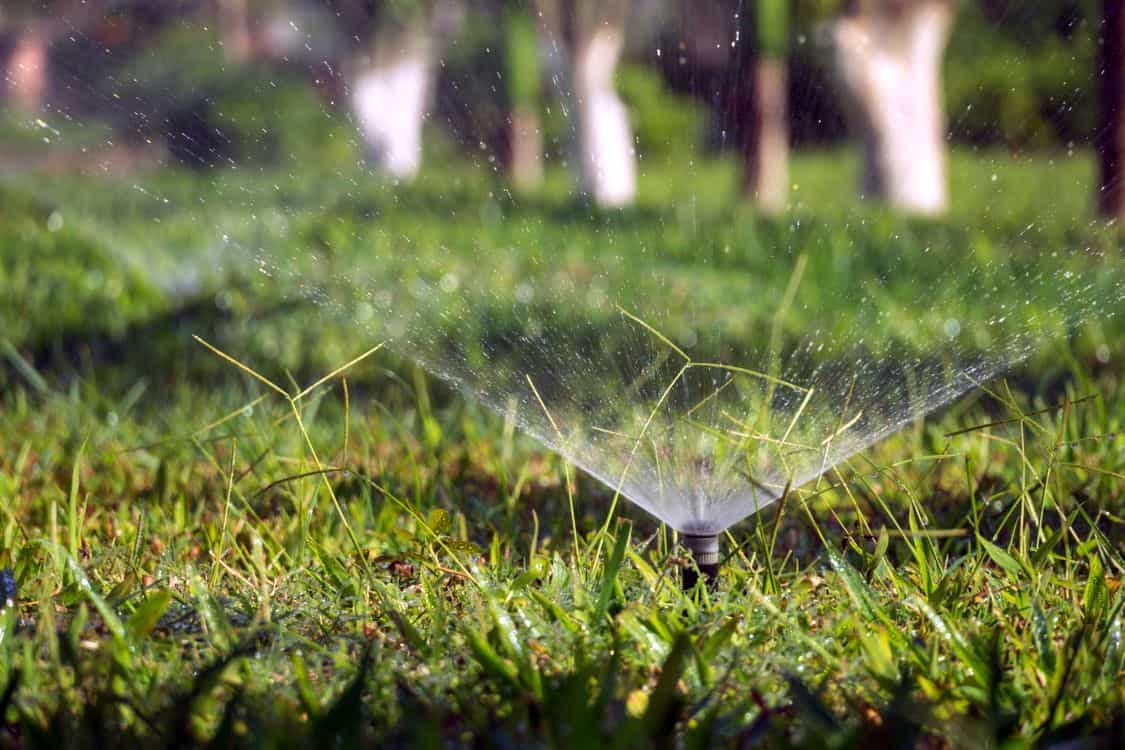
Lawn is the most water-hungry element in a typical San Diego yard by a wide margin. County figures put turf consumption around 44 gallons per square foot per year.
Run that against an 800-square-foot front lawn and you are looking at 32,000 to 45,000 gallons annually. At the new tier rates, that is real money on a recurring basis.
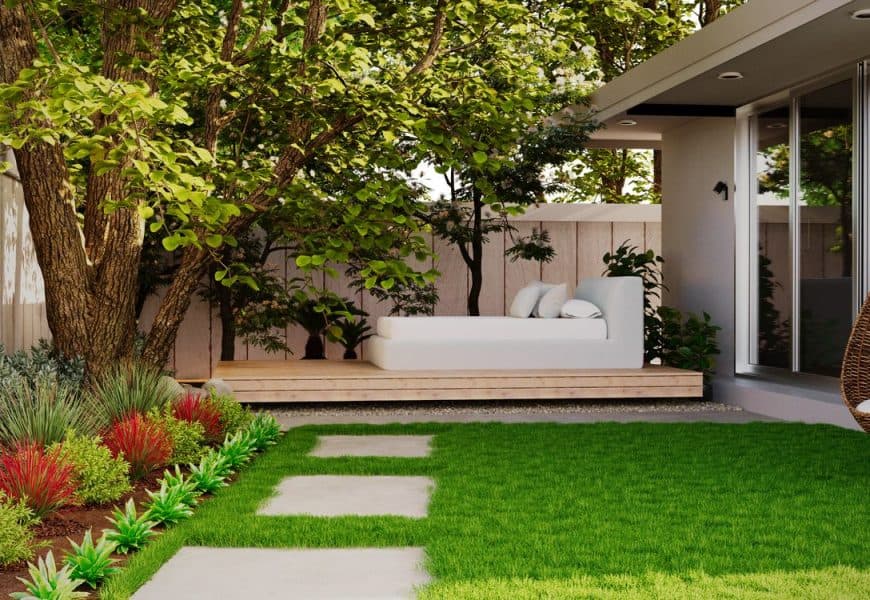
The math changes what gets drawn. Hardscape, decomposed granite, gravel courtyards, and drought-tolerant planting beds are no longer positioned as the eco-conscious option. They are the cheaper one over a ten-year horizon.
Artificial turf sits in an awkward spot. It eliminates irrigation entirely, but most regional rebate programs will not fund it, because the programs are written around living low-water landscape rather than surface replacement.
That distinction matters for anyone planning around incentives. County turf replacement offers up to $4 per square foot, or $5 if the replacement planting is all native, with a $5,000 residential lifetime cap. None of that applies if the replacement is synthetic.
What Designers Are Actually Changing
The most visible shift is zoning. Instead of one irrigation regime across a whole yard, plans are being split into a small, genuinely used lawn area and a much larger low-water zone.
Irrigation controllers are getting more attention too. Weather-based systems that adjust to actual conditions have moved from upsell to standard spec on mid-range projects.
Plant selection has narrowed toward species that survive on winter rainfall alone once established. Coastal sage scrub varieties, buckwheat, manzanita, and sage do that in most of the county without supplemental water past the first two years.
There is also a timing element. California’s non-functional turf restrictions phase in across 2027 and 2028, which means homeowners deferring a decision are shrinking the window in which rebate funding and program flexibility overlap.
Rebate budgets are finite and first-come. Several San Diego programs have paused or restructured applications mid-year when funding ran short, which makes waiting an actively expensive strategy.
None of this makes San Diego yards less attractive. Some of the best residential work in the county over the past two years has come out of these constraints rather than in spite of them.
What it does mean is that the design conversation now starts with a spreadsheet. The rate schedule runs through 2029, and every year of deferral is a year of paying the old design’s water bill at new prices.