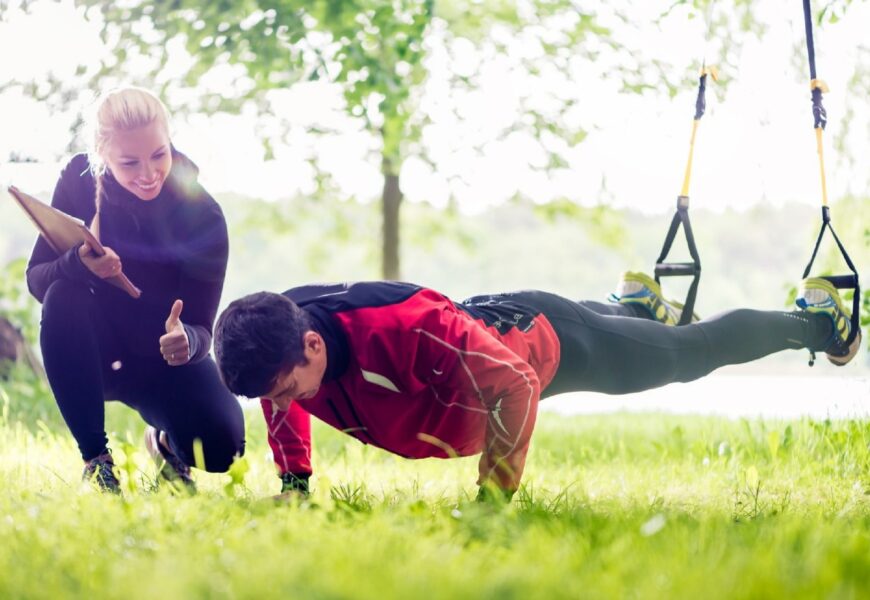
Few things are more frustrating than injuring yourself during a workout. Personal trainers know this all too well, which is why they only recommend workout moves that are safe and effective.
Try these nine expert-approved exercises for serious results. Just remember to always focus on proper form. Also, don’t be afraid to push yourself a little bit—that extra effort can make all the difference!
1. Walking
We all know exercise is important, but you may be surprised to learn that walking is one of the best workouts for improving your overall health. According to the Physical Activity Guidelines for Americans, adults should aim to get 150 minutes of moderate-intensity aerobic exercise each week. Walking is an easy, inexpensive, low-impact exercise that can be done almost anywhere.
It strengthens the heart and lungs, reduces blood pressure, and improves circulation. It also helps prevent the deterioration of brain cells, boosts mood and energy levels, and relieves stress and anxiety.
To get the most benefit from your walking routine, personal trainers recommend starting with a warm up that includes a light cardio exercise to increase heart rate and blood flow and then gradually increasing your speed and length of walk. Remember to cool down and stretch after each walk. It’s also a good idea to take rest days as needed to avoid injury and overtraining.
2. Running
Running is one of the most popular fitness exercises because it doesn’t require expensive equipment and can be done virtually anywhere. It’s also one of the best exercises for improving cardiovascular health. In fact, experts say that even jogging for 10 minutes each day can lower your chances of death from heart disease by half.
In addition to boosting blood flow, exercise can help reduce inflammation and improve joint health, particularly when combined with strength training. Research suggests that cartilage disorders, such as osteoarthritis, are less likely to impact runners than people who don’t run.
If you’re new to running, start out with a walking program before progressing to jogging for short periods of time when it feels comfortable. Then, gradually increase your jogging duration and frequency each week. Finally, incorporate a mix of running and other aerobics into your workout to build endurance and variety.
3. Swimming
Swimming is an excellent full-body workout that challenges nearly every muscle in the body. It’s also an ideal form of cardiovascular exercise because it gets your heart rate up and helps keep the blood flowing.
In addition, swimming is often easier on the joints than other forms of exercise, like jogging or biking. This makes it a good choice for people with conditions that affect their ability to perform other exercises, such as those suffering from fibromyalgia or arthritis.
One of the best parts about swimming is that it can be done just about anywhere – from a hotel pool to the ocean. Plus, it’s easy to do with a buddy and can be fun for the whole family.
Try mixing up your swim routine by doing a few short bursts of high-intensity interval training (HIIT) in the pool. This will challenge your muscles in a new way and burn more calories than steady-state exercise.
4. Cycling
Cycling is a fantastic low-impact cardio workout that strengthens the muscles in your legs, hips, knees and thighs. It also improves your cardiovascular endurance and increases your V02 Max, while burning calories for several hours afterward. It recruits slow-twitch muscle fibres and trains your body to burn fat as fuel.
It improves posture and builds core strength. It also increases the efficiency of your pedalling motion by enhancing the ability to transfer power from your legs to the pedals. Strength training can complement cycling well to help you become a faster, more resilient rider.
A UCLA study found that regular exercise makes it easier to form new brain connections in cortical areas, boosting your memory and creative thinking. It also helps synchronise the circadian rhythm of your body, aiding sleep.
5. Yoga
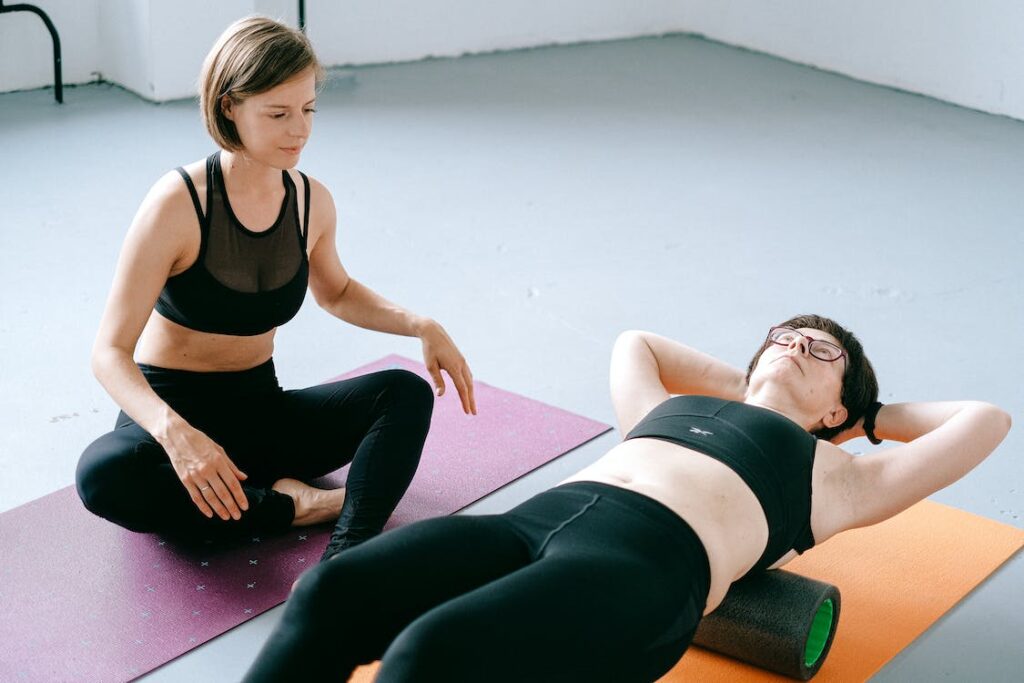
A yoga routine can help you improve balance, flexibility and strength. It can also ease the stiffness and aches associated with arthritis. And it can lower your heart rate and blood pressure, reducing your risk of a heart attack.
Yoga can also boost your bone density. Poses that require you to lift your own weight, such as Adho Mukha Svanasana (Downward-Facing Dog) and Urdhva Mukha Svanasana (Handstand), can strengthen arm bones and prevent osteoporosis. And regular yoga practice can lower your levels of the stress hormone cortisol, which can interfere with laying down new bone.
One of the most obvious benefits of yoga is improved flexibility. After your first few fitness role classes, you’ll notice that it’s easier to touch your toes and that aches and pains are less common. That’s because yoga targets tight muscles and connective tissues like tendons and ligaments. It also helps you to relax, shifting the balance of your nervous system away from the fight-or-flight response toward the body’s “rest and digest” response.
6. Pilates
Pilates focuses on building core strength, which helps improve posture and balance. This makes it a great complement to other forms of exercise. For example, a March 2018 study published in PLOS One found that people who practiced Pilates for 12 weeks improved their 5K run times by reducing their pelvic-area-related metabolic costs, suggesting strong core muscles may help make running less taxing on the body.
A typical Pilates workout includes exercises that strengthen larger muscle groups, such as the quads, hamstrings, and shoulders, plus smaller stabilizing muscles, like those that support the spine. The movement of the body through Pilates also increases proprioception, which improves your ability to sense and move your muscles, bones, and joints, says Blozy.
Like yoga, Pilates emphasizes concentration and quality over quantity of reps. This mindful approach can enhance your awareness of the way your body moves, which may help prevent injuries or falls. For example, performing a squat thruster—a combination of a squat with an overhead press—requires precise coordination and balance, and will train your body to respond quickly and predictably to changes in direction.
7. Weight Training
Weight training builds muscle mass, strengthens bones, improves balance and prevents injuries. It can be done with free weights, hand weights, weight machines or even your own bodyweight. A personal trainer can help you determine the best type of equipment and exercises for your needs.
Experts recommend using a variety of exercises that target different muscle groups and exercise components. For example, incorporating push-up variations like diamond and decline can enhance upper body strength.
When lifting weights, it is important to do each repetition in a slow and controlled manner. This allows you to fully engage your muscles and avoid relying on momentum. Also, remember to breathe during each exercise. In addition, warm up with low to moderate intensity cardio for five to 10 minutes before doing weight training. This will get your heart rate up, stimulate blood flow and help to prevent injury. This can be a brisk walk or a few minutes on the elliptical machine.
8. Strength Training
Whether you want to build bigger muscles (hypertrophy) or increase your muscular endurance, strength training is an important component of any exercise routine. It can be done using your body weight or equipment such as dumbbells, barbells, resistance bands, and machines. If you are unsure how to use equipment properly, consider speaking with a physical therapist or personal trainer.
Strength training also helps you perform daily tasks with ease, such as picking up a heavy object off the ground or getting up after falling down. Performing these activities requires the recruitment of muscles in your arms, back, legs and core.
When it comes to strength training, experts recommend starting with an 8-15 reps for 1-3 sets of one exercise to build muscle endurance and improve overall fitness. To maximize results, vary your workout about every four to eight weeks.