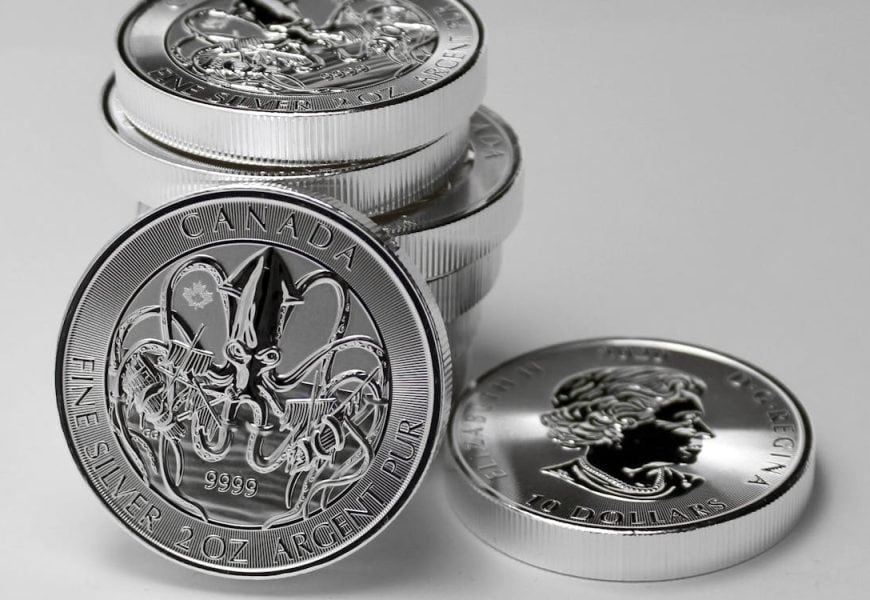
Silver carries a quiet strength when it comes to holding value across generations. Its presence in markets and memories is long standing and often underestimated by those focused on faster moving assets.
People turn to silver when they want something tangible that will not evaporate with a headline or a single policy move. Over time silver has proven to be a steady companion for those who want to keep purchasing power intact.
Historical Role Of Silver
Silver has threaded through human history as both ornament and money, creating a deep cultural link between the metal and value. Civilizations minted coins of silver and used them for trade long before paper promises became common, so their lessons still matter for modern portfolios.
The ebb and flow of empires left silver in vaults and heirloom boxes, which in turn built a legacy of trust that often outlives institutions. That quiet trust is part of why many investors keep silver nearby when times get bumpy.
Physical Qualities That Matter
Silver is both soft to work with and durable enough to last centuries when kept with care, making it useful in coins and industrial parts alike. Its conductivity and reflectivity give it roles in industry that support baseline demand beyond mere ornamentation.
Those practical uses create a dual demand profile that can help smooth price action when sentiment alone would otherwise drive swings. In sum silver is more than shine, it is a physical asset with tangible functions that feed long term value.
Silver As A Hedge Against Inflation
People often reach for silver when the value of paper money seems to drift lower, and the metal can act as a hedge in times of rising prices. Unlike a number printed at will, silver must be mined and processed, which places a natural constraint on supply that supports value preservation.
While no asset is guaranteed to hold pace with every bout of inflation, silver has a track record of shifting upward when fiat currencies lose ground. That history makes it an appealing part of a plan to protect purchasing power.
Liquidity And Portability
One strength of silver lies in its ease of sale and transport relative to some other tangible assets, making it practical in many scenarios. Coins and small bars move in markets around the world, and buyers often recognize standard forms quickly, which helps convert metal to cash when needed.
Portability also means someone can move value without hauling heavy paperwork or waiting on complex transfers. That mix of tradability and tangible form gives silver a kind of practical flexibility that many investors value.
Diversification And Portfolio Allocation
Including silver in a portfolio can introduce a different kind of risk exposure compared with stocks and bonds, smoothing returns over time. Correlation patterns show that precious metals often drift apart from equities in key stretches, so a modest allocation can reduce volatility without sacrificing long term growth potential.
The exact share an individual chooses depends on tastes, goals, and tolerance for ups and downs, and the choice to hold metal is a personal judgment as much as a technical one. In practice a small dedicated slice can act like an insurance policy when other parts of a plan wobble.
Forms Of Silver To Hold
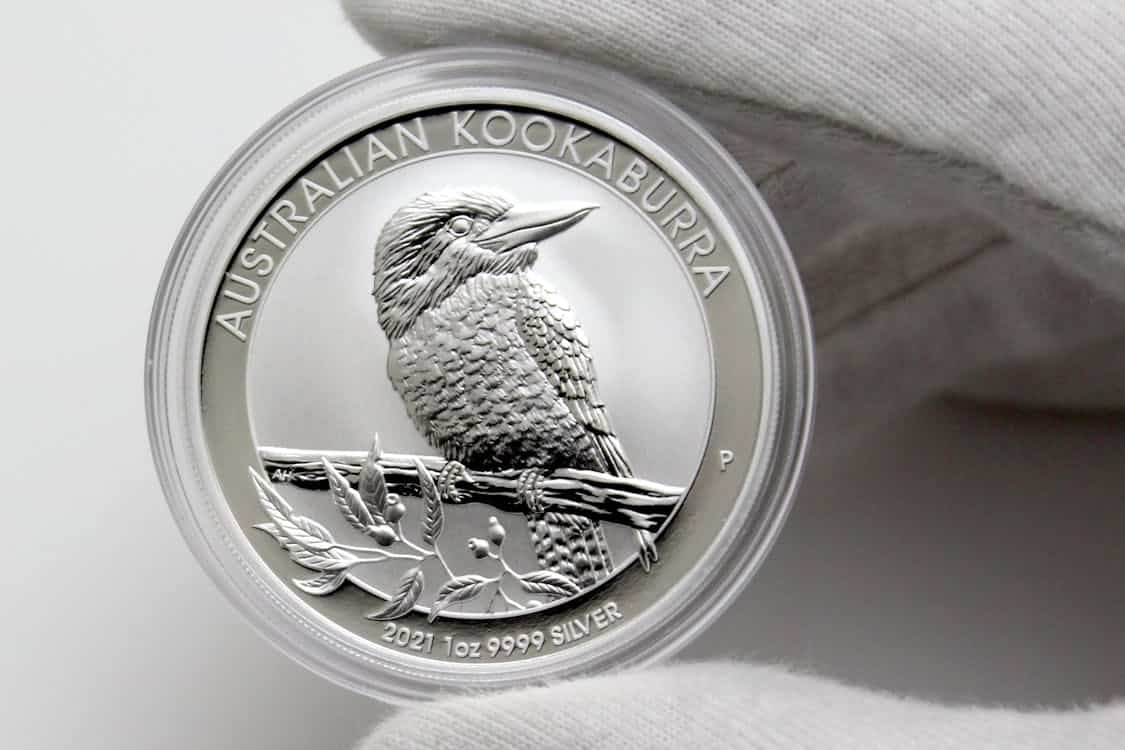
Silver comes in many shapes from government minted coins to private mint bars and collectible rounds, each with pros and cons for buyers and sellers. Coins often carry easy recognition and liquidity while bars offer lower premiums per ounce for those focused on raw metal content.
For newcomers or experienced investors alike, buying silver bars through trusted platforms ensures both authenticity and smooth transaction experience.
Collector pieces can add numismatic value but also complexity when it is time to sell, as grade and rarity matter. Picking a form is a matter of taste, timeline, and how quickly one thinks they might need to turn metal into spending power.
Storage And Safety
Storing silver safely means balancing access with protection against theft, loss, and environmental harm like tarnish or corrosion. Home safes, bank safe deposit boxes, and professional vaults all serve different needs and budgets, and each choice brings trade offs around convenience and privacy.
Packaging and handling also matter because condition affects resale value more when collectors are involved, and even industrial buyers prefer clean, standard pieces. Good stewardship keeps silver ready for use when it must serve its role as protected value.
Acquisition And Pricing
Buying silver requires watching both spot price movements and buyer premiums that vary across dealers and product types, so timing and source affect total cost. Many buyers shop with a long view, averaging purchases over time and smoothing out price spikes with regular buys that reduce single purchase risk.
Market depth and dealer reputation matter when it comes to execution and eventual resale, and transparency in pricing helps build confidence for the holder. Smart acquisition is practical and steady, focused on net cost rather than chasing short term gains.
Psychological And Cultural Factors
Silver carries meaning beyond numbers because it speaks to human instincts for safety and legacy, the kinds of prompts that shape saving behavior across eras. Holding a physical object can calm nerves in a way that a digital entry rarely will, and for some the metal links current choices to family memory and future intent.
That emotional role has real economic effects because it influences demand in stress periods and quiet times alike. Whether driven by habit or sober calculation, the cultural weight of silver feeds into its role as a preserver of wealth.