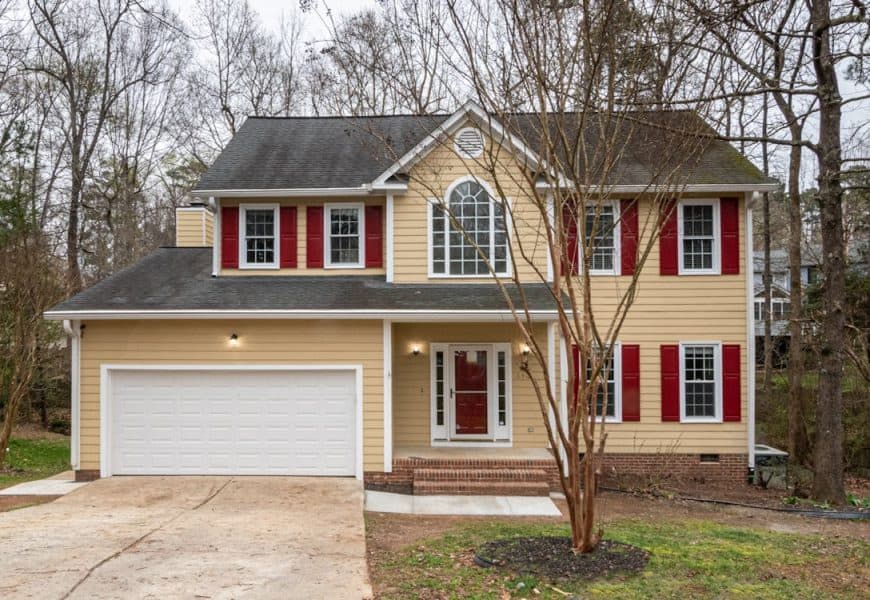
Aging roofs are moving from a routine maintenance item to a headline risk for home owners and investors across Texas. Harsh weather patterns and changing market signals have pushed roof condition into a top line factor for saleability and value.
Many buyers now treat an older roof like a red flag and expect a clear path to replacement or cash concessions. Market actors who once shrugged at an aging roof find that the math no longer favors passive wait and see.
Aging Materials And Weather Stress
Shingles and underlayment lose their protective qualities after years of sun and storm exposure. Repeated cycles of heat expansion and nighttime cooling force tiny cracks and loosened granules to appear.
Old roofing materials often show brittle edges and curling that let moisture find a way in. When that happens the deck and attic can start to rot out far faster than most owners expect.
Hail And Wind Damage Risks
Texas gets more hail events than many states and that means older roofs take a beating over time. Granule loss shows up as dark patches and weak spots that cannot hold up against a hard strike.
Wind lifts and flaps loose edges until nails pull free and seams open. Insurance carriers now weight prior minor damage heavily when they set cover terms.
Heat Related Wear And Tear
High summer temperatures bake roof membranes and speed chemical breakdown of asphalt products. Attic heat spikes raise cooling bills and stress HVAC systems that sit beneath weak roofing. Repeated summer stress shortens the useful life of many roofing types by years.
Some homeowners end up facing a second replacement around year 20 when cheaper materials and prolonged heat exposure combine to accelerate deterioration. Home owners who delay replacement can face compounding interior problems that are far costlier than a timely roof job.
Rising Insurance Scrutiny
Underwriters have tightened rules for storm prone regions and older roofs draw close attention during renewals. Appraisers working with insurers flag older systems as higher claim probability items.
Some policies now require inspection certificates that prove current performance before full coverage is offered. That procedural shift changes the calculus for sellers who hope to move a property quickly.
Higher Premiums And Policy Limits
Insurers have raised deductibles and set stricter limits on roof claims for older residential properties. Some companies refuse to cover certain roof ages unless a replacement is completed within a set time window.
Those extra costs often fall on the seller during negotiations when buyers press for clarity and protection. A rising premium or an added endorsement can shave thousands from a buyer offer without a single repair being done.
Inspection Findings And Deal Killers
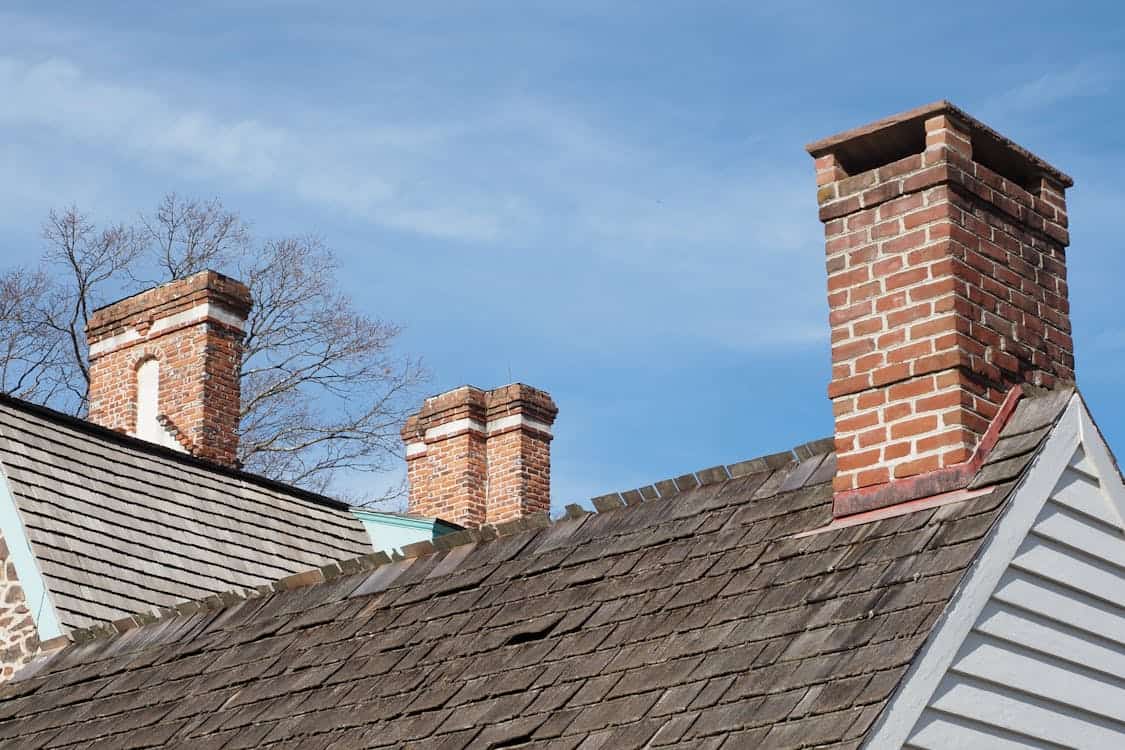
Home inspectors commonly note missing shingles, ponding water, and compromised flashing as immediate red flags. Those notes are often translated by buyers and lenders into demands for repair or price changes.
A single line in an inspection report can pivot a negotiation from handshake to stalemate in short order. Sellers who have no plan for a roof upgrade face lost listings or lower bids.
Appraisal And Financing Hurdles
Appraisers must match market data with expected useful life when valuing a property with an older roof. If similar nearby sales featured newer roofing, the appraisal may reflect a discount for an aging system.
Lenders then react to a lower appraisal by tightening loan terms or asking for cash down. That cascade makes deals less attractive and slows closings.
Code Changes And Upgrade Costs
New building codes and stronger fastening standards raise the bar for a like for like roof replacement. What worked twenty years ago may not meet today’s wind or fire codes, and that gap can add cost.
Reflashing chimneys and vents to new specifications drives labor time and parts. Those added line items surprise owners who expected a simple replacement.
Energy Performance And Efficiency Concerns
Older roofs often lack reflective coatings and modern underlayments that cut attic heat gains. That results in higher energy use and shorter life spans for cooling equipment below.
Buyers are putting value on efficiency gains they can see in utility bills and projected expenses. A roof that promises lower monthly costs becomes a selling point while an old one becomes a liability.
Seller Disclosure Obligations
State rules and local practices require sellers to disclose known roof problems or past leaks in many transactions. Failing to disclose visible or known issues creates exposure for later legal claims.
Buyers who find a prior leak after closing can pursue remedies that raise transaction risk. The paperwork trail now matters as much as the shingles do.
Liability For Leaks And Interior Damage
Water entry from a degraded roof reaches insulation, structural members, and finish materials fast. Stains on ceilings often tell a story that cost estimates will confirm once a contractor starts tearing back layers.
Mold growth can follow within days in warm, humid attics and that triggers separate mitigation expenses. Those interior impacts make buyers look for protective credits or a full replacement escrow.
Replacement Material Shortages
Supply chain shifts and variable demand for certain materials have made timing a key factor for roof replacement. Specialty colors and thicker mats for impact resistance can be back ordered and that delay matters when a sale is pending.
Contractors also juggle storm related work and scheduled replacements which pushes lead times out. Sellers who wait past peak season may find repair slots months away.
Investor And Rental Market Impacts
Real estate investors who manage portfolios of older properties see roof risk show up in yield math quickly. A major replacement can wipe out a year or more of expected cash flow for an income property.
Tenants will call at first drip and landlords must act fast to avoid habitability claims. That pressure changes how investors price acquisitions and select target neighborhoods.
Market Perception And Buyer Behavior
Buyers now enter viewing appointments with roofing checklists and smartphone photos to compare properties. Words like aged and worn carry more weight when multiple comparable homes have newer roofs.
A perception that a property will require a large upfront outlay pushes many buyers toward cleaner listings. The market now rewards visible care and penalizes apparent neglect at a speed a few years ago might have seemed extreme.