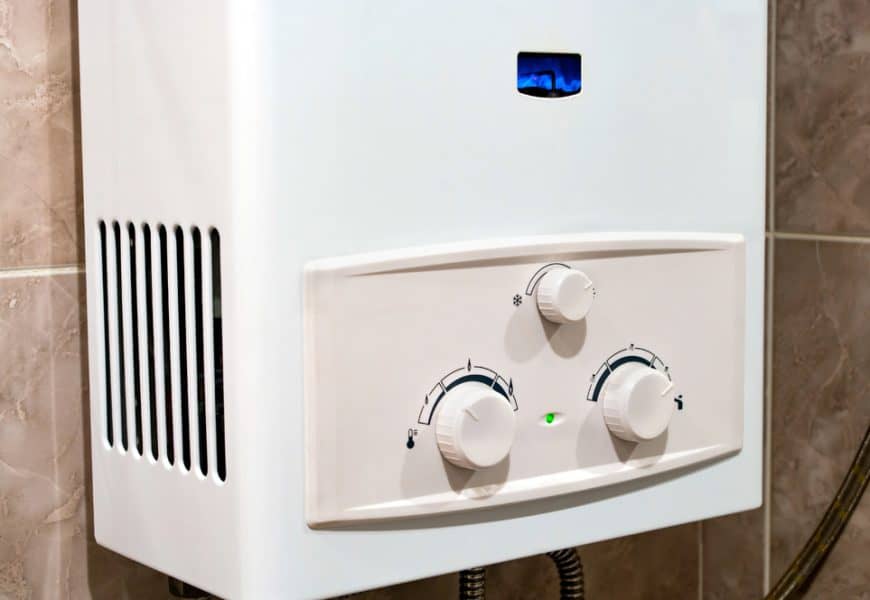
Water heaters are a household staple that keep daily routines flowing from morning showers to late night dish washing. Picking the right unit can save energy, lower bills, and reduce surprise breakdowns.
The range of options spans simple tanks to advanced collectors that draw heat from the air and sun. The following sections map out the common types, their traits, and the trade offs that matter when you pick one.
Tank Water Heaters
Tank water heaters store heated water in a large insulated vessel so hot water is available on demand until the tank runs out. These units tend to have lower upfront purchase prices and a straightforward installation compared with systems that require extra components.
Regular maintenance like flushing the tank and checking the anode rod helps limit sediment buildup and extends service life. For many homes a tank heater hits the sweet spot between simplicity and predictable delivery.
Tankless Water Heaters
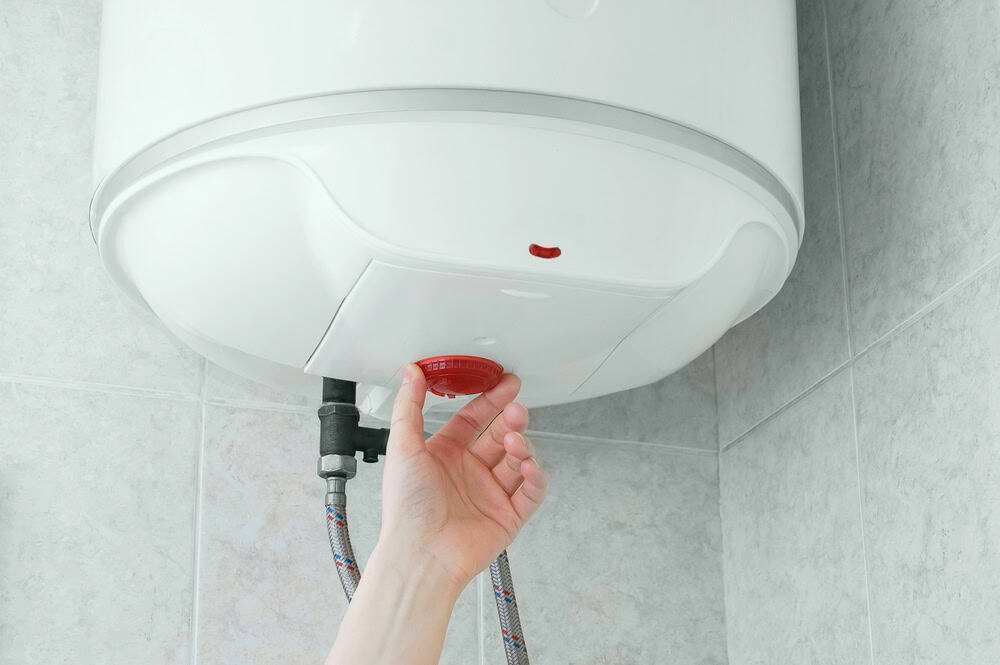
Tankless water heaters heat water as it flows through a unit so endless hot water is possible while the flow rate is within the system capacity. These compact units free up basement or closet space and reduce standby energy loss found with stored water.
The trade off lies in peak demand handling since multiple simultaneous uses can overwhelm a single unit without proper sizing. When matched to household usage patterns a tankless setup can be a neat efficiency upgrade.
Heat Pump Water Heaters
Heat pump water heaters move heat from the surrounding air into the water rather than creating heat with electric resistance elements. That method uses significantly less electricity to produce the same amount of hot water in many climates and placements.
They perform best in spaces that stay warm and offer some air circulation like basements or utility rooms. For homeowners watching monthly electric loads a heat pump heater often cuts operating cost while asking for more room and steady ambient temperature.
Solar Water Heaters
Solar water heaters rely on collectors that capture energy from sunlight and transfer it to a storage tank for later use in showers, faucets, and appliances. Such systems reduce fossil fuel consumption and produce hot water with a fuel input that is free once the hardware is in place.
They require a place for panels or collectors with good sun exposure and a backup source for cloudy days and heavy draws. Long term savings depend on roof orientation, local climate, and the cost of alternative fuels where you live.
Condensing Water Heaters
Condensing water heaters extract additional usable heat from flue gases that would normally escape the vent so overall thermal efficiency climbs. These units pair well with high efficiency gas burners and deliver more heat per unit of fuel compared with conventional venting designs.
Because they work with lower vent temperatures they often need corrosion resistant venting and a slope to drain condensate correctly. When the fuel is natural gas and hot water demand is steady a condensing model can reduce fuel bills and carbon footprint.
For even greater efficiency, consider upgrading to high efficiency condensing water heater units, which offer cutting-edge technology that maximizes energy savings while reducing environmental impact.
Hybrid Water Heaters
Hybrid water heaters combine a heat pump with an electric resistance element so the system can switch modes to balance efficiency and recovery speed. The heat pump handles routine heating using ambient air while the resistance element steps in when demand spikes or ambient conditions fall below the heat pump threshold.
That dual approach squeezes efficiency gains from the heat pump and keeps service reliable when the schedule gets busy. For mixed climates and households with variable hot water habits a hybrid unit gives flexibility that pure heat pumps or pure electric tanks do not.
Indirect Water Heaters
Indirect water heaters use a boiler or furnace as the primary heat source with a heat exchanger to transfer thermal energy to the water in a separate tank. The design leverages an existing hydronic system so one central heat source can support both space heating and hot water production.
Performance and efficiency track closely with the boiler or furnace condition and the control strategy used to prioritize heat distribution. In homes that already run hydronic heat an indirect setup often reduces redundancy and simplifies maintenance points.
Point Of Use Water Heaters
Point of use water heaters are small units installed close to a fixture to deliver rapid hot water and cut down on wait times and wasted water. They come in tank and tankless flavors and work particularly well under sinks or near showers that see frequent isolated use.
These units can reduce pipe heat loss and improve comfort in remote bathrooms but they are not meant to supply whole house needs. When used as a supplement they fit the bill for fast warm water at a specific tap without rewiring an entire plumbing layout.
Fuel Sources For Water Heaters
Water heaters run on a selection of fuels that include electricity, natural gas, propane, and solar thermal collectors that collect sun energy for storage tanks. Each fuel interacts with local price structures and infrastructure to change operating cost long term and capital cost up front.
Gas tends to heat water faster and handle large draws with ease while electric solutions often win on installation simplicity and lower initial cost. When choosing a fuel trade offs between speed, efficiency, availability, and local energy price all play into the month to month bill you will see.
Sizing And Capacity For Water Heaters
Sizing a water heater means matching the device recovery rate and storage volume to household peak usage so hot water runs when it is needed without long waits. For tanks that equation looks at first hour deliverable output and how many fixtures will run at the same time while for tankless units the focus is gallons per minute at a given temperature rise.
Oversizing wastes money on equipment and space while undersizing leads to frustrated users and the temptation to switch on alternate heaters. A rule of thumb and some flow math often get you in the right ballpark before a professional fine tunes the layout.