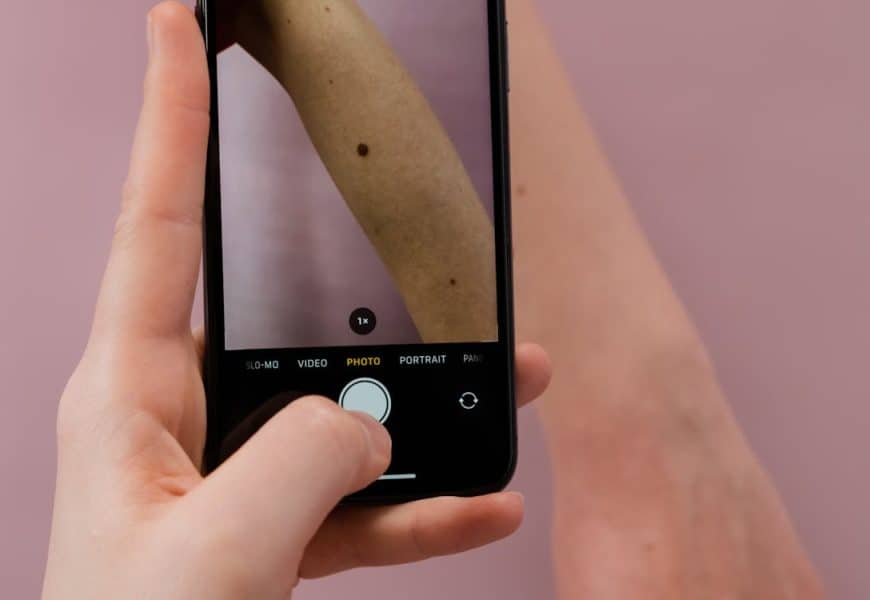
It sounds almost too convenient: point your phone at a mole, let an algorithm analyse it, and get an instant read on whether it is dangerous. A wave of AI-powered skin-check apps promises exactly that. The evidence on whether they deliver is far more cautious.
The technology is genuinely promising, but the way consumers are using it carries real risks worth understanding.
What the Research Actually Shows
Independent testing has repeatedly found these apps unreliable for self-diagnosis. In one analysis, an app flagged lesions as suspicious 27 times more frequently than dermatologists did, generating a flood of false alarms; in others, the bigger danger was the reverse, with genuine cancers missed.
Regulation is another gap. A recent University of Queensland analysis of skin-cancer detection apps found that only dermatology laser clinic in Brisbane two of the seven examined held the relevant Therapeutic Goods Administration approval, meaning many widely downloaded apps are essentially unregulated.
Performance also varies with the phone, the lighting, the angle, and the user’s own ability to capture a usable image. Studies have found image-capture success in untrained hands can be strikingly low, undermining whatever the algorithm can do.
The core problem is asymmetric. A false alarm causes anxiety and an unnecessary visit, but a false reassurance can lead someone to ignore a genuine melanoma until it is far more dangerous.
Where AI Genuinely Helps
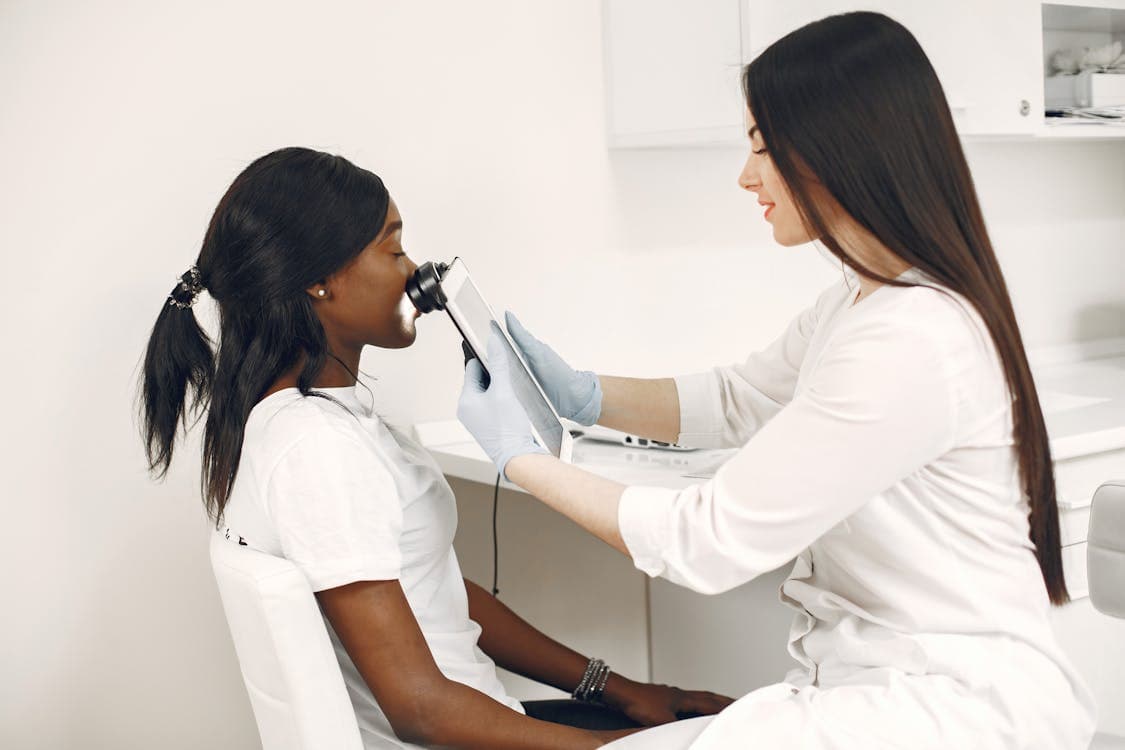
None of this means the technology is worthless. In clinical hands, AI-assisted imaging and dermoscopy tools are showing real value, helping practitioners triage lesions and supporting decisions about what to biopsy.
The distinction is between AI as a clinical aid, used alongside a trained professional, and AI as a consumer substitute for one. The first is a tool; the second is a gamble.
Professional bodies including the Cancer Council explicitly advise against relying on smartphone apps to self-diagnose skin cancer, precisely because of the false-reassurance risk.
Using Technology Wisely
There is a sensible middle path. Apps and phone photos can be useful for tracking whether a spot is changing over time, creating a visual record you can show a professional.
That is a reasonable use: documentation and monitoring, not diagnosis. The moment an app suggests something is fine, the temptation is to stop worrying, and that is exactly the moment to stay cautious.
If a spot is new, changing, or simply bothering you, the technology should prompt a professional assessment rather than replace it. An algorithm cannot feel the texture of a lesion, take a history, or perform a biopsy.
Used as a monitoring aid and a nudge to get checked, these tools have a place. Used as a verdict, they invite exactly the kind of delay that makes skin cancer more dangerous than it needs to be.