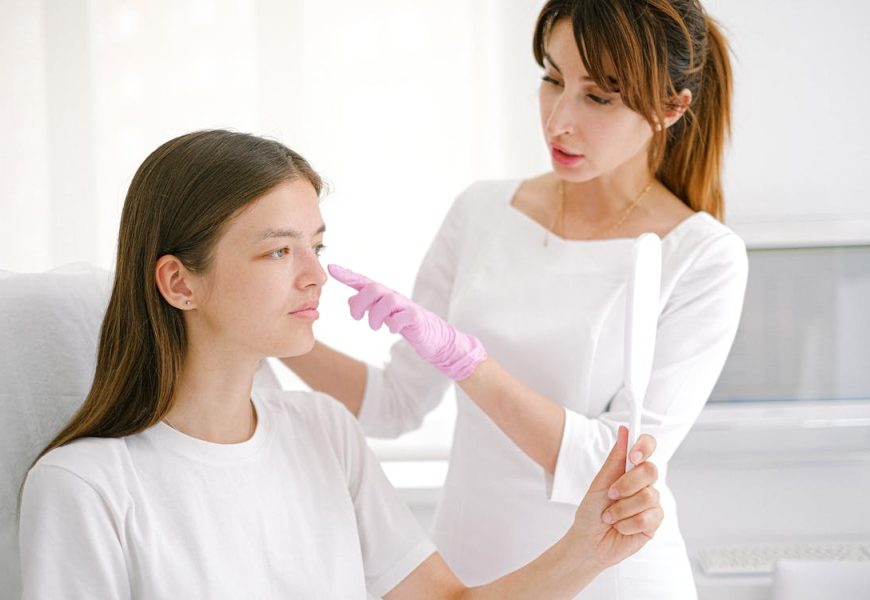
A nose operation can change both how you look and how you feel about yourself, and many people want to know how long those changes stick. Healing is a process that unfolds in stages, with the most visible shifts taking place early and subtle refinements appearing later.
Surgeons aim for form that stands the test of time while patients play a big role in recovery and maintenance.
What Rhinoplasty Changes And What It Does Not
Rhinoplasty reshapes bone cartilage and soft tissue to alter contours and improve breathing in some patients. It is powerful for changing angles bridge height tip shape and overall facial balance yet it does not stop the clock on natural aging.
The surgery creates a new starting point for how the nose will mature, so the early result is a baseline that evolves slowly. Scars are usually hidden and internal structures can be strengthened to resist minor shifts over time.
Early Healing And The First Year
The first weeks after surgery show dramatic transformation as swelling decreases and the nasal outline becomes clearer. Most of the obvious swelling resolves in the first three months but subtle swelling can persist around the tip for up to a year.
Soft tissues settle and scars inside the nose soften which refines the final look, so patience during this period pays off. Regular follow up with the surgeon helps identify any unusual healing patterns that could need attention.
If you’re considering a nose transformation, a trusted rhinoplasty london ontario specialist can help guide you through the process, ensuring long-lasting results.
Long Term Stability After One Year
By the end of year one many patients see a result that is close to what will last long term, yet change can continue in small ways for several years. Bone and cartilage maintain their new relationships but soft tissue can thin or thicken with time, which may slightly alter shape.
When structural support was given during the operation the nose tends to keep its form better and resist later collapse. Life events and normal aging are the usual reasons for drift rather than failure of the original technique.
Role Of Surgical Technique In Longevity
Techniques that strengthen internal support structures reduce the chance of unwanted collapse or tip droop later on. Grafts and sutures placed with care act like internal scaffolding and they age with the body rather than acting like foreign props that fail quickly.
Patient specific planning that matches anatomy with the chosen approach avoids overcorrection or under correction and lowers the need for future adjustments. Surgeon skill experience and attention to detail directly influence how well the changes hold up.
Skin Quality And Tissue Behavior

Thicker skin masks fine structural definition and can hide subtle improvements while thinner skin shows detail but may reveal imperfections. Skin does not behave the same for everyone and it continues to change with sun exposure weight shifts and general aging.
Surgeons adjust techniques to the skin envelope knowing that outcomes for a given bone and cartilage framework will differ with tissue response. Caring for skin and avoiding heavy sun exposure helps maintain crisp contours over time.
Effects Of Aging And Facial Changes
A face ages as a unit and the nose is not immune to the shifting sands of time, where gravity and bone changes play their part. Cartilage can warp slowly and soft tissue pads may descend slightly, so a nose that looked superb at thirty may show modest change at sixty.
Many people find that results remain pleasing even as the face matures because the new shape often fits better with facial proportions. Lifestyle choices and general health influence how pronounced age related changes become.
Trauma Weight Changes And Lifestyle Factors
A well healed nose can be altered by a later injury that knocks bone or cartilage out of alignment, which may create a sudden need for revision. Significant weight loss or gain sometimes affects facial fat distribution and that can subtly change perceived nasal proportions.
Smoking, poor nutrition and repeated sun damage all have downstream effects on tissue quality and healing capability. Protecting the nose and avoiding risky activities without proper protection helps preserve results.
Revision Surgery And When It Is Needed
Some patients choose or require revision to refine breathing function or any aesthetic details that did not meet expectations. Revision work can be more complex because scar tissue and previous grafts change the operating field and the surgeon must adapt skillfully.
A well timed revision after tissues have fully matured gives the best chance for a durable secondary result. Many surgeons advise waiting at least a year before making definitive calls about further surgery.
Non Surgical Procedures And Their Impact
Fillers and other soft tissue injections can temporarily tweak contours and hide small irregularities without cutting, but their effects are not permanent. These options can be useful for smoothing minor depressions or lifting a tip in patients who want a reversible test run before committing to surgery.
Repeated injections require ongoing appointments and carry risks that a surgeon will explain including migration or delayed reactions. When non surgical work complements surgery it often serves as an interim measure rather than a final long term fix.
How To Help Your Results Last Longer
Maintaining a stable body weight practicing good skin care and protecting the nose from sun and trauma all support lasting outcomes. Follow up visits and clear communication with your surgeon about breathing or shape concerns allow early intervention if small shifts occur.
Healthy habits like avoiding tobacco and eating a nutrient rich diet speed tissue repair and support lasting structure. Think of surgical change as a partnership where both surgeon skill and patient care shape the longevity of the result.