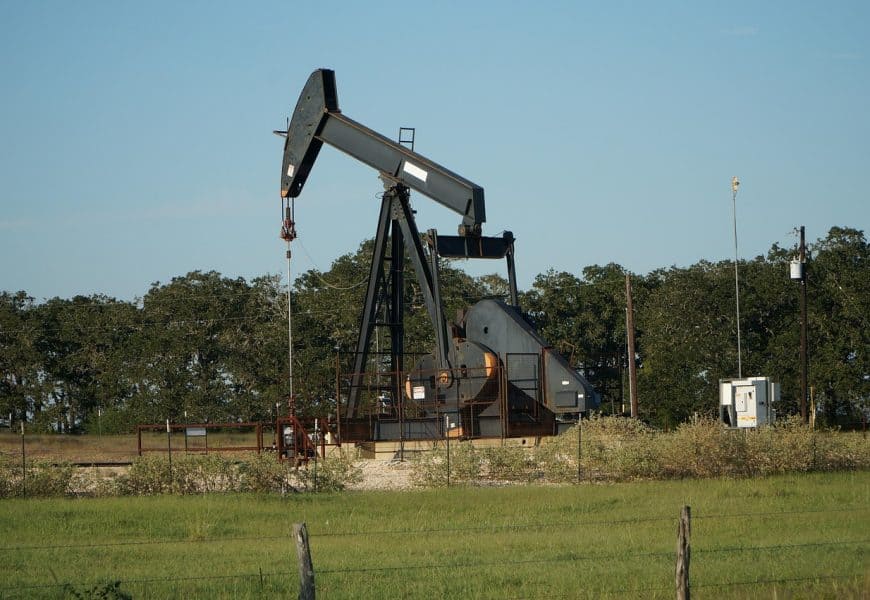
Oilfield pumps are major drivers of energy use on a production site and they have a direct impact on operating expense and emissions. Small changes in how a pump is built and controlled can lead to meaningful savings over weeks and years.
Engineering choices range from the motor and drive to the piping and materials that touch the fluid. The following sections outline the key features that make a pump more energy efficient and easier to run.
Variable Speed Drives And Control Systems
Variable speed drives let a pump follow the flow and pressure demand instead of running flat out all the time. By matching pump speed to actual load, the system avoids waste that comes from throttling and long periods of idle high power.
Modern control systems use feedback loops and learning algorithms to keep the pump near its best efficiency point while reacting to changes on the well or surface network. Soft start and ramp functions reduce inrush current and mechanical stress which keeps losses low and service intervals longer.
Efficient Motor And Drive Match
Selecting a motor that runs with high electrical efficiency reduces input energy for a given hydraulic output. Pairing that motor with a drive that has low conversion losses and good thermal performance keeps efficiency up through varying loads.
Proper electrical sizing and wiring cut stray losses and prevent heat build up which otherwise saps power and shortens component life. When the motor and drive are matched to the pump duty curve, the machine spends less time fighting resistance and more time doing useful work.
Operators looking for dependable frac pumps and expert on-site maintenance often rely on industrial diesel to keep their equipment running at peak efficiency.
Hydraulic Design And Pump Selection
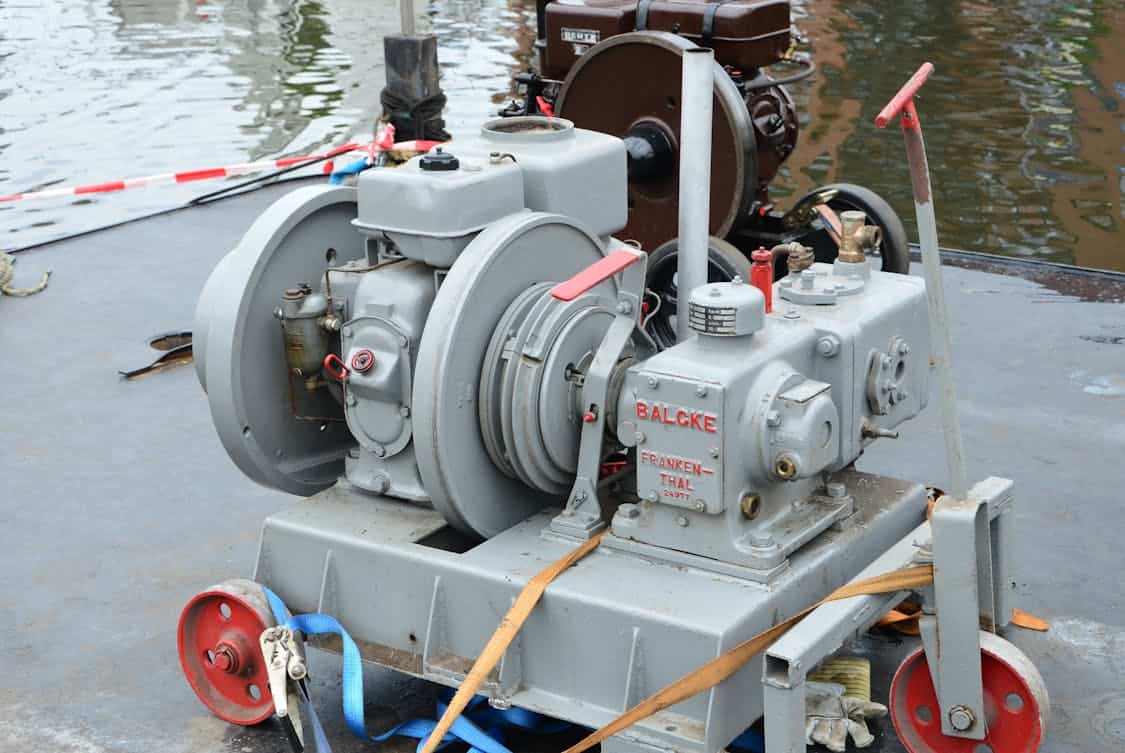
The shape and size of impellers, the number of stages, and the internal flow passages decide how much energy is turned into pressure and how much is lost to turbulence. A pump chosen to operate near its best efficiency point avoids off curve operation that creates recirculation and excess wear.
Small changes such as trimming the impeller or using staged compression can keep the hydraulic profile tight and smooth for longer runs. Design that favors laminar flow where possible reduces viscous friction and improves overall plant energy balance.
Minimizing Leakages And Mechanical Losses
Internal leakage past clearances and worn parts can quietly eat into the power budget while offering no useful output. Seals, shaft sleeves, and close tolerance bearings are examples of components that cut internal loss and prevent fluid bypass.
Keeping shaft alignment and coupling play within spec lowers vibration and friction which in turn reduces parasitic drag on the motor. Regular attention to lubrication and fit keeps mechanical losses from growing over time and preserves the pump performance curve.
System Integration And Right Sizing
A pump does not operate in isolation and system losses in piping and valves can erase gains made at the pump itself. Matching the pump curve to the actual system curve and avoiding oversized units prevents chronic throttling which burns extra energy.
Thoughtful routing that shortens runs and reduces sharp turns knocks down head loss and improves net flow for the same power input. Integration of controls with other pieces of equipment allows coordinated operation that keeps the whole network near its most efficient point rather than just one element.
Monitoring And Predictive Maintenance
Real time sensing of power, vibration, temperature, and flow helps spot trends before they turn into big losses or breakdowns. Energy monitoring reveals drift away from expected performance and allows targeted fixes that restore efficiency quickly.
Predictive algorithms trained on historical patterns can schedule maintenance at times that keep uptime high and avoid emergency repairs that carry higher energy and replacement cost. A program that couples data with hands on checks gives operators clear options to preserve energy and limit waste.
Advanced Materials And Surface Treatments
Hard facing, low friction coatings, and corrosion resistant alloys extend the life of tight clearance zones and keep clearances small without rapid wear. Reduced wear means lower leakage and more stable mechanical balance which delivers steady efficiency over long runs.
Coatings that lower surface roughness also cut friction losses in passages where fluid velocity is high and shear can form. Material upgrades can cost more up front but tend to pay back through lower energy drain and less frequent part swaps.
Flow Management And Piping Optimization
Valves that control flow with minimal pressure drop and the use of smooth bore piping yield lower head loss across the network. Balancing devices placed at strategic nodes prevent local recirculation and stop pumps from working against stagnant loops.
Properly sized strainers and filters protect internal passages from abrasion which keeps the pump near its designed hydraulic state. Attention to routing, support, and thermal expansion keeps the system stable and preserves the pump in its most efficient range.
Regular monitoring and predictive maintenance of flow meters, pressure sensors, and pump performance ensure early detection of inefficiencies, allowing for timely adjustments that sustain optimal system operation.