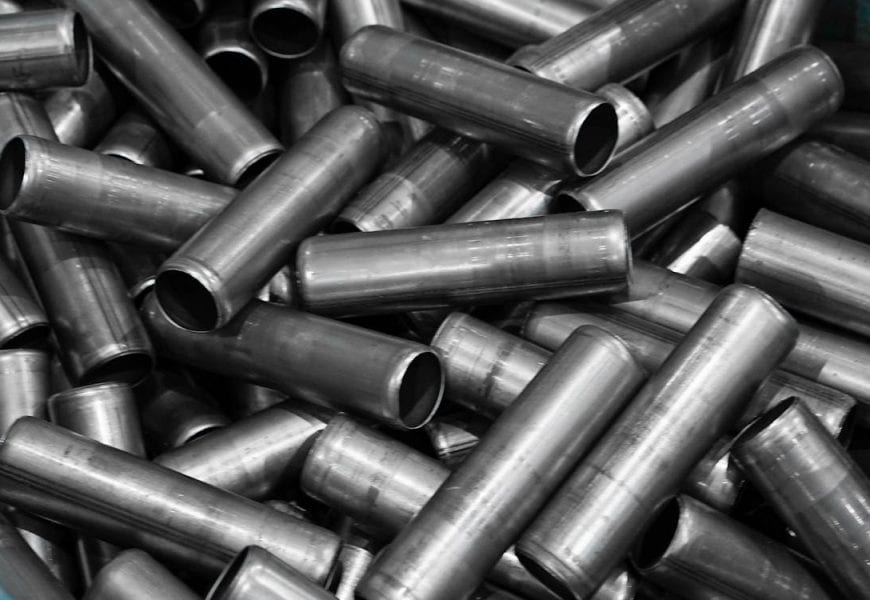
Precision matters when human lives and costly assets are on the line. Stainless steel tube made to exact standards plays a visible role in keeping industrial systems running safe and sound.
From chemical plants to food lines, the material choice and manufacturing accuracy reduce hazards and help operators sleep easier.
Material Integrity And Corrosion Resistance
Stainless steel tube offers a strong resistance to corrosion that keeps structural form and function intact over long service spans. Corrosion resistant alloys limit the chance of leaks that can lead to fires, toxic exposure or environmental spills.
When a tube keeps its surface and thickness, maintenance crews face fewer urgent repairs and operators see less unplanned interruption. In many settings a small choice of metal today prevents a big headache tomorrow.
Consistent Wall Thickness For Pressure Control
Precision forming yields uniform wall thickness across the length of a stainless steel tube which directly affects how it handles internal pressure. A consistent wall gives engineers predictable stress behavior and reduces the odds of a weak point failing under load.
High quality Precision Stainless Steel Tube is especially prized in high-pressure applications where reliability cannot be compromised.
With pressure vessels and high pressure piping systems the cost of a misstep can be high in safety terms, so repeatable production values are prized. When walls do not vary much the whole system behaves in a way that operators can model and manage.
Smooth Internal Surface Reducing Contamination
A well finished internal bore on a stainless steel tube cuts the places where residue and microbes can hide and multiply. Smooth surfaces make cleaning more effective and reduce the need for harsh cleaning agents that themselves can pose hazards.
In food, pharmaceutical and biotech lines a tidy internal finish helps keep product pure and people safe. Pipes that stay clean lower the chance of contamination related shutdowns and health incidents.
Precision Fit For Leak Free Connections
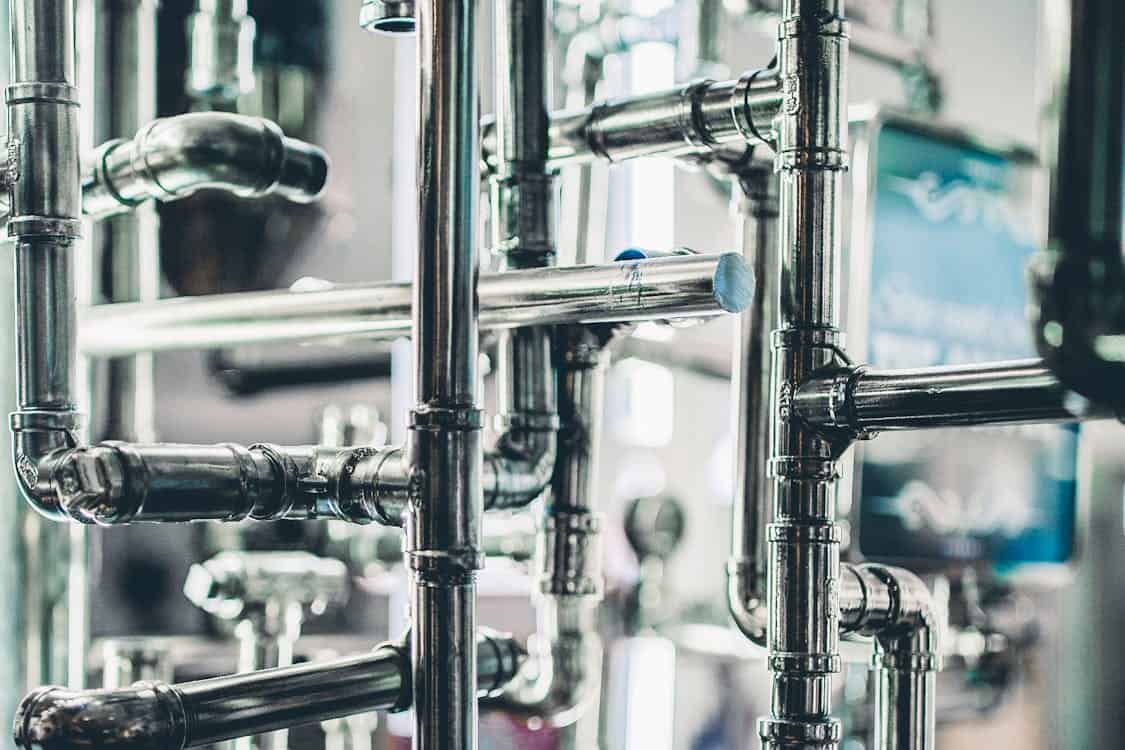
Accurate outer dimensions and true roundness let tubes mate cleanly with fittings and flanges so joints sit tight without undue stress. Leak free connections reduce exposure to volatile fluids, steam and hot oil while saving energy lost to uncontrolled venting.
Assembly that is straightforward and predictable also lets crews work quicker and with less exposure time in potentially risky zones. Tight joints mean fewer surprises during start up and less firefighting once systems are live.
Durability Under Thermal And Mechanical Stress
Stainless steel tube that is made to tight tolerances resists deformation when temperatures swing or when mechanical loads shift. Fatigue life improves when the metal has uniform microstructure and consistent geometry, which lowers the chance of a sudden crack or split.
In high temperature lines the metal keeps its form and avoids bulging that can lead to misalignment or seal failure. Long lived parts couple safety with steady operation, and that is a win at the plant gate.
Traceability And Quality Certification
When tubes come paired with mill certificates and batch numbers teams can trace material back to its source and check heat treatment and composition. Traceable components make root cause work faster after an incident and help managers decide if other parts need inspection.
Certification and paperwork give auditors concrete evidence that the right metal was used for a given hazard profile. That paper trail often shortens investigations and restores confidence more quickly.
Non Reactive Properties For Chemical Systems
Many stainless alloys do not react with common acids and bases so the risk of violent chemical interactions falls. In mixed chemical lines a passive surface helps avoid unwanted side reactions that could generate heat or toxic byproducts.
When material behaves predictably under contact with process fluids operators can set controls with a clearer margin of safety. That calm behavior of the metal keeps system chemistry steady and staff less likely to face sudden surprises.
Easy Maintenance And Reduced Downtime
Precision tube that resists wear and holds its form needs less frequent tightening, rework and replacement which shortens maintenance windows. Faster turnaround means less time working in confined spaces and fewer exposures to live process hazards.
Planned work proceeds with a steady rhythm rather than frantic patch work that invites mistakes and corners being cut. Lower downtime is good for the bottom line and for the safety of those who service the plant.
Compatibility With Safety Instruments
Dimensional accuracy lets sensors, valves and detection gear mount and seal properly on stainless steel tube without odd adapters. When instruments read reliably they give operators timely warning and allow automatic systems to act before a small fault grows.
Properly matched hardware reduces false alarms and the temptation to bypass protective devices, which can be an accident waiting to happen. Honest readings make it simpler to keep the system under watch and to take action when the data says so.
Cost Savings Through Longer Service Life
Spending a bit more up front for precision stainless steel tube often pays back through fewer replacements and lower incident related costs over time. Parts that last reduce frequency of hot work and confined space entry which are both high risk activities on many sites.
The budget for spare parts shrinks and planners can allocate time and talent to safety projects rather than endless repairs. In many plants the savings show up as less grief and more stable operations which the crew appreciates.